



Every family wants to feel close, steady, and connected. Most people imagine this comes from big gestures or perfect communication, but often it comes from something simpler. Families grow stronger when they learn to rely on themselves and each other. Self-reliance is not about isolation. It is about building the confidence, skills, and mindset that allow a family to handle challenges with calm and teamwork. When every member feels capable, the whole family becomes more resilient. And when resilience grows, love and friendship grow with it.
A self-reliant family does not wait for someone else to fix problems. They look within. They look to each other. They trust that as a team they can figure things out, create solutions, and move forward. This shared confidence forms a powerful bond.
Below is how self-reliance strengthens families and the practical steps any household can take to build it.
Self-Reliance Gives Families a Sense of Shared Strength
When a family works through problems together instead of depending on outside help for every small issue, something important happens. Everyone begins to see the family as a source of strength. Children see parents solving problems with calm thinking. Parents see children stepping up with ideas. No one feels powerless. No one feels alone.
This shared strength creates closeness. Family members learn they can count on each other. They stop hiding difficulties because they know the whole group is capable of handling them. This trust builds love that feels grounded instead of fragile.
Self-Reliance Builds Respect Between Generations
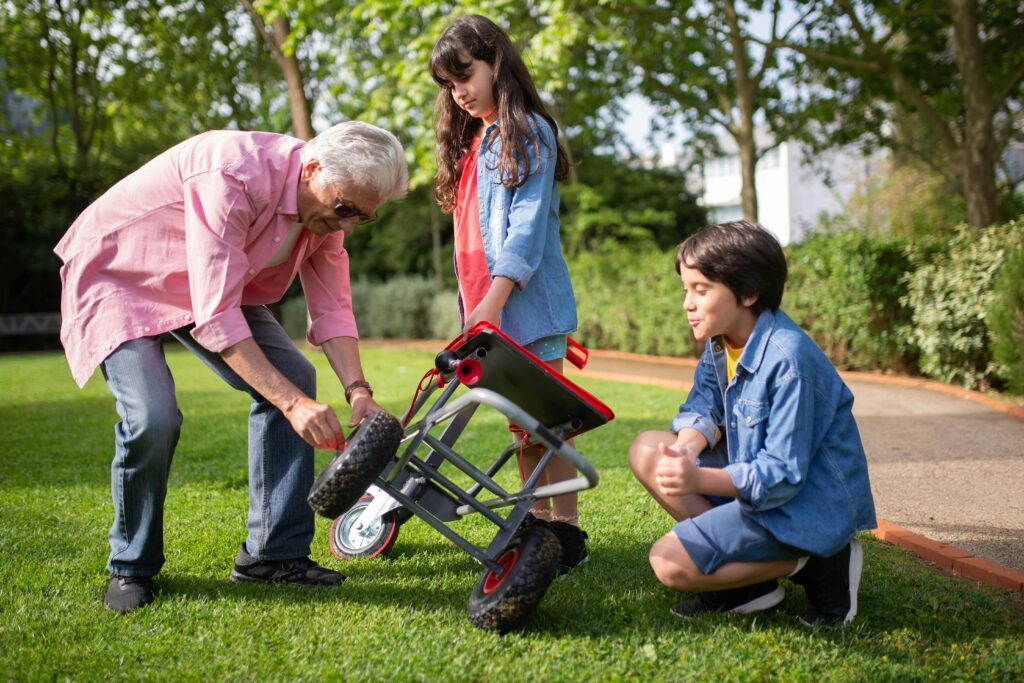
Respect grows when people see each other’s abilities. When kids learn real skills, parents respect their maturity. When parents model calm thinking, kids respect their leadership. And when siblings help each other, they see each other as teammates rather than rivals.
In many homes, people underestimate one another without meaning to. Parents think children cannot handle responsibility. Teens think parents are stressed or unavailable. Siblings think they are too different to work together. Self-reliance breaks this pattern. It puts everyone on the same team.
When each family member contributes skills and effort, respect becomes natural. Everyone feels valuable. Everyone feels trusted.
Self-Reliance Reduces Stress and Conflict
Families fight when they are overwhelmed. They argue when small issues pile up. They snap at each other when everything feels out of control.
Self-reliance helps families manage life with more clarity. When people know how to solve everyday tasks, stress drops. When each person has responsibilities they understand and feel proud of, conflict fades. When problems arise, the family knows how to slow down, think clearly, and work together.
Less stress means more room for kindness. More room for patience. More room for fun.

Self-Reliance Creates Shared Memories
A family that works together builds more stories than a family that avoids challenges. Fixing something together, building something, planning a project, or preparing for a new goal creates memories that stick. Years later, people remember the moments when they figured things out as a team.
These shared efforts create inside jokes, teachable moments, and quiet victories. They become the threads that hold a family close.
Practical Ways a Family Can Become More Self-Reliant
Self-reliance is built through habits, not grand gestures. Here are simple and effective ways a family can grow more capable, more united, and more confident.
1. Give Every Family Member a Role
Roles create identity. Identity creates pride. Pride leads to responsibility.
Give each person a clear role in the household based on age and ability. For example:
- Someone becomes the meal planner
- Someone becomes the budget tracker
- Someone becomes the repair helper
- Someone becomes the garden lead
- Someone becomes the organizer
Roles can rotate, but the key is to give everyone something meaningful. When people feel they have a job that matters, they show up with more care.
2. Solve Problems Together Instead of Outsourcing Immediately
Next time something breaks, something goes wrong, or something feels confusing, pause. Look at the issue as a group. Ask:
- What tools or skills do we already have?
- What can we learn quickly?
- What steps can we take before asking for outside help?
Even if you eventually need a professional, the attempt builds cooperation and confidence.
3. Build Shared Skills as a Family
A family that learns together grows together. Choose practical skills to study as a group:
- Basic home repairs
- Cooking from scratch
- Budgeting and saving
- Gardening
- First aid
- Car care
- Outdoor skills
Learning side by side encourages curiosity, teamwork, and patience. No one has to be the expert. The point is to grow as a group.
4. Practice Calm Problem Solving
Self-reliance is not just about physical skills. It is also about emotional thinking. Teach the family a simple process for handling challenges:
- Stop and breathe
- Define the problem clearly
- Brainstorm solutions
- Pick one and try it
- Adjust if needed
This process builds calm confidence. Kids and adults can use it for everything from scheduling stress to school conflicts to household hiccups.
5. Create Weekly Family Meetings
A short weekly meeting keeps the whole family aligned. Use it to:
- Share wins
- Discuss upcoming plans
- Adjust responsibilities
- Hear everyone’s voice
- Solve small problems before they grow
These meetings give everyone a chance to contribute. They also create space for listening and understanding.
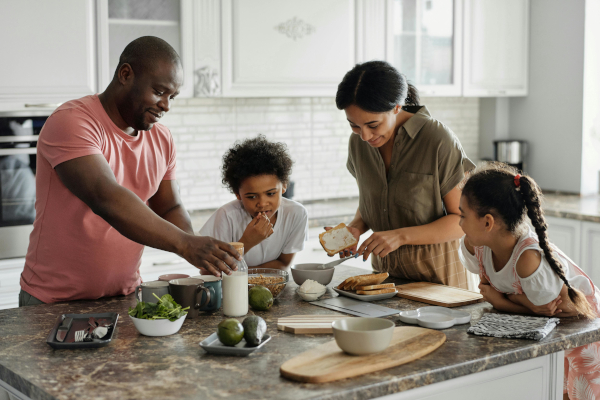
6. Cook Meals Together
Cooking is one of the most powerful ways to build capability. When a family cooks together, they learn patience, planning, timing, and teamwork. It also gives children confidence that many people do not gain until adulthood.
Make it enjoyable. Turn on music. Let different people pick recipes. Celebrate the small victories.
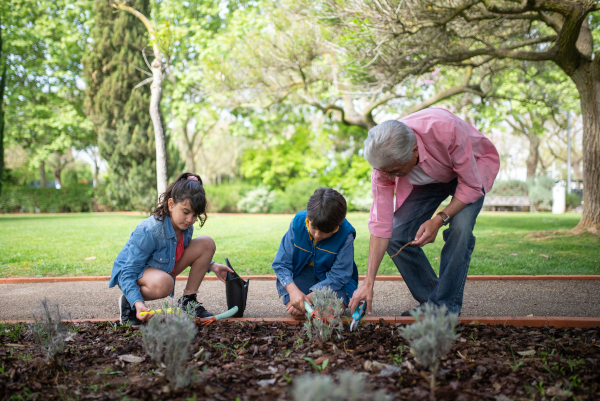
7. Start a Garden or Small Home Project
Growing food, building a shelf, painting a room, or restoring something simple gives families a shared goal with visible results. These projects teach discipline, problem solving, creativity, and perseverance.
They also give the family something to look back on with pride.
8. Encourage Personal Responsibility
Self-reliance grows when each person learns to manage their own needs. This can mean:
- Kids doing their own laundry
- Teens managing a small budget
- Parents modeling healthy habits
- Everyone cleaning up their own spaces
Personal responsibility reduces resentment. It also frees up more time for the family to enjoy being together.
9. Develop a Family Emergency Plan
Knowing how to respond during emergencies creates confidence and calm. It does not need to be complicated. Cover:
- How to communicate
- Where to meet
- Who handles what
- Basic supplies
- Simple first aid
A family that feels prepared is a family that feels grounded.
Self-Reliance Brings Families Closer
Growing self-reliance is not about trying to become perfect or trying to avoid help forever. It is about building confidence and unity. When each person feels capable, they feel more generous. They listen better. They communicate with more ease. They support one another with less frustration and more patience.
A self-reliant family does not crumble under stress. It adapts. It supports. It grows. This kind of strength creates bonds that last a lifetime.